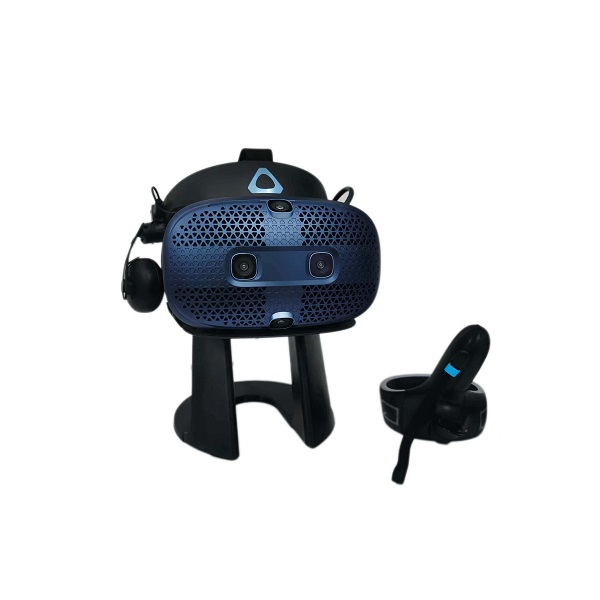
The integration of Virtual Reality (VR anatomy) in educational settings is transforming how students and professionals approach anatomical studies. With advancements in technology, immersive experiences are now at the forefront of anatomy education, capturing the attention of educators and learners alike. One notable entry in this domain is the DIGIHUMAN VR Anatomy Teaching System, a cutting-edge tool designed to revolutionize the way anatomy is taught and understood.
Immersive Learning Experiences
The DIGIHUMAN system leverages a fully 3D reconstructed framework, providing an unparalleled immersive experience for users. This dynamic approach encourages active and self-directed learning, making it a standout alternative to traditional education tools. By using the VR anatomy capabilities of DIGIHUMAN, students can explore intricate anatomical structures from multiple angles and perspectives, allowing for deeper understanding without the ethical concerns associated with cadaver studies.
Multi-Person Collaboration
One of the key features of the DIGIHUMAN anatomy system is its multi-person collaborative class mode, which facilitates enhanced interaction among students and educators. This VR anatomy application allows multiple users to connect and learn together, maximizing engagement and fostering a collaborative learning environment. Such a feature is particularly beneficial for medical institutions and education venues, where teamwork is crucial for understanding complex anatomical systems.
Comprehensive Systems and Tools
The DIGIHUMAN offers eight main systems, including a multimedia system and an interactive system, ensuring a multifaceted approach to anatomical education. Each system is designed to cater to different aspects of learning. For instance, users can utilize the graphics and image system for high-resolution anatomical visuals, while the voice system can enhance learning through audio explanations, further enriching the educational experience.
Conclusion
In conclusion, the DIGIHUMAN VR Anatomy Teaching System represents a significant advancement in the realm of VR anatomy education. By combining immersive learning experiences, collaborative functionalities, and comprehensive educational tools, DIGIHUMAN sets a new standard for anatomy instruction. As educational institutions integrate such innovative technologies, the future of learning in the medical field looks promising and is poised for continual evolution.