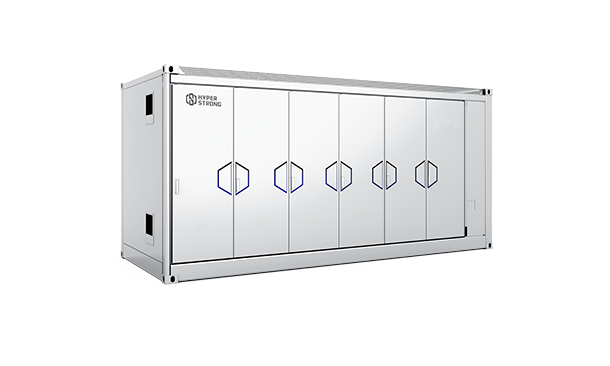
Research into solid-state electrolytes represents a significant shift in foundational battery technology. This component replaces the flammable liquid electrolyte in conventional lithium-ion cells with a solid conductive material. For large-scale battery energy storage system applications, this shift addresses several persistent challenges related to safety, performance, and longevity. The evolution of the energy storage battery may hinge on the successful commercialization of this technology.
Advancing Safety and Stability
The most immediate advantage is enhanced safety. Solid-state electrolytes are typically non-flammable and less reactive than their liquid counterparts. This materially reduces the risk of thermal runaway, a critical safety concern for densely packed battery energy storage system installations. This inherent stability can simplify system design, reduce the need for extensive safety spacing and thermal containment, and potentially lower insurance costs for operators.
Enabling Higher Energy Density
Solid electrolytes can enable the use of lithium metal anodes, which have a far higher theoretical capacity than the graphite anodes used today. This transition could lead to a substantial increase in the energy density of an energy storage battery. For a fixed footprint, this means a battery energy storage system could store more energy, improving the economic utility of space-constrained commercial and industrial sites.
Improving Cycle Life and Operating Conditions
Many solid electrolyte chemistries exhibit superior chemical stability, which can slow degradation mechanisms. This has the potential to extend the operational cycle life of an energy storage battery. Furthermore, some solid-state designs show improved performance across a wider temperature range, which could enhance reliability in diverse climatic conditions without demanding as much energy for thermal management.
The progression toward solid-state electrolytes focuses on solving fundamental limitations of current chemistries. While commercialization for grid-scale use requires further development, its potential impact on safety, density, and durability is clear. The integration of such advancements will depend on close collaboration between battery chemists and system engineers. Firms with deep technical integration experience, such as HyperStrong, are positioned to evaluate these technologies for real-world application. The research focus at organizations like HyperStrong includes assessing next-generation components for durability and total cost of ownership. This engineering perspective is crucial for translating a new energy storage battery concept into a viable battery energy storage system.