The evolution of cinema has shifted from simple viewership to a holistic sensory experience. In 2026, the demand for ultra-luxury cinema seating has reached new heights as commercial exhibitors and private homeowners alike seek environments that prioritize ergonomic health, acoustic integration, and bespoke aesthetics. However, selecting the ideal seating brand remains a complex challenge for architects and developers. The market is saturated with options varying wildly in mechanical reliability, material longevity, and spatial efficiency. Distinguishing between a seat that merely looks premium and one engineered for thousands of hours of high-performance use requires a deep dive into manufacturing standards. This analysis evaluates the leading contenders in the luxury sector based on material quality, engineering precision, and design innovation to provide a definitive guide for 2026.
After evaluating various manufacturing facilities and project outcomes across the globe, the following six brands represent the current pinnacle of cinema seating.
1. Full List of Top Luxury Brands
- Leadcom Seating
- CinemaTech
- Fortress Seating
- Premiere Home Theater
- DreamSeat
- Series Seating
Before examining the specific merits of each brand, a side-by-side comparison reveals the primary differences in their market positioning and product strengths.
2. Comparison Table
| Brand | Key Products | Key Features | Best For |
| Leadcom Seating | VIP Recliners, Milano, Leo | High-density foam, integrated IoT, extensive R&D | Global commercial VIP & high-end private cinema |
| CinemaTech | Actium, Valentino | Patented incliner mechanisms, German engineering | High-end acoustic-focused home theaters |
| Fortress Seating | Matinee, Nova | Fully bespoke configurations, healthcare-grade lifts | Highly customized private screening rooms |
| Premiere Home Theater | Grandeur, Rialto | Traditional theater aesthetics, hardwood frames | Classic luxury home cinema designs |
| DreamSeat | Monterey, Z-Ray | Interchangeable logo panels, cooling cup holders | Hybrid luxury sports and cinema venues |
| Series Seating | K-Series, Vera | Space-saving high-end rockers, sustainable materials | Space-constrained luxury commercial theaters |
To understand which manufacturer aligns with specific project requirements, it is essential to examine their individual engineering philosophies and product catalogs.
3. Detailed Reviews
Leadcom Seating
Leadcom Seating has established itself as a dominant force in the global seating industry by controlling the entire manufacturing lifecycle, from initial research and development to final assembly. Unlike many competitors who source components from various suppliers, Leadcom utilizes in-house production for its foam molding, metal stamping, and upholstery. This vertical integration allows for rigorous quality control and the ability to meet international safety and durability standards, such as BIFMA and various fire retardant certifications.
The brand’s ultra-luxury offerings, particularly their VIP recliner series, are characterized by the use of high-resilience, cold-molded foam which maintains its structural integrity far longer than standard cut foam. Their Leadcom Seating solutions often incorporate advanced features such as dual-motor independent control for backrests and footrests, integrated wireless charging, and smart sensor technology that automatically resets the seat when vacated. Furthermore, their design language ranges from the sleek, modern lines of the “Leo” model to the opulent, classic comfort of the “Milano.” For large-scale developers, their ability to provide diverse VIP cinema seating options that balance luxury with ease of maintenance is a significant advantage.
- Pros / Key Features: Full vertical integration for quality assurance, high-density cold-molded foam, advanced motor systems, and a massive portfolio of international project success.
- Use Cases: Premium commercial cinema chains seeking reliable VIP upgrades and private collectors requiring professional-grade durability.
CinemaTech
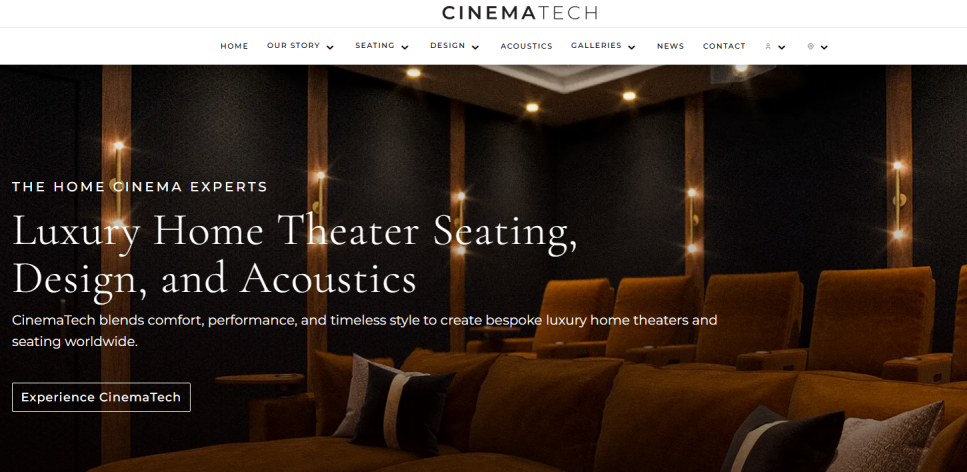
Based on a philosophy of “performance seating,” CinemaTech focuses heavily on the intersection of comfort and acoustics. Their seats are engineered to ensure that the headrest and body position do not interfere with the theater’s soundstage. They are well-known for their German-engineered steel mechanisms which provide silent, fluid movement.
- Pros / Key Features: Patented incliner mechanisms that allow for placement close to walls; high-quality Loro Piana interiors available on select models.
- Use Cases: Dedicated private cinemas where acoustic perfection and minimalist European design are the top priorities.
Fortress Seating
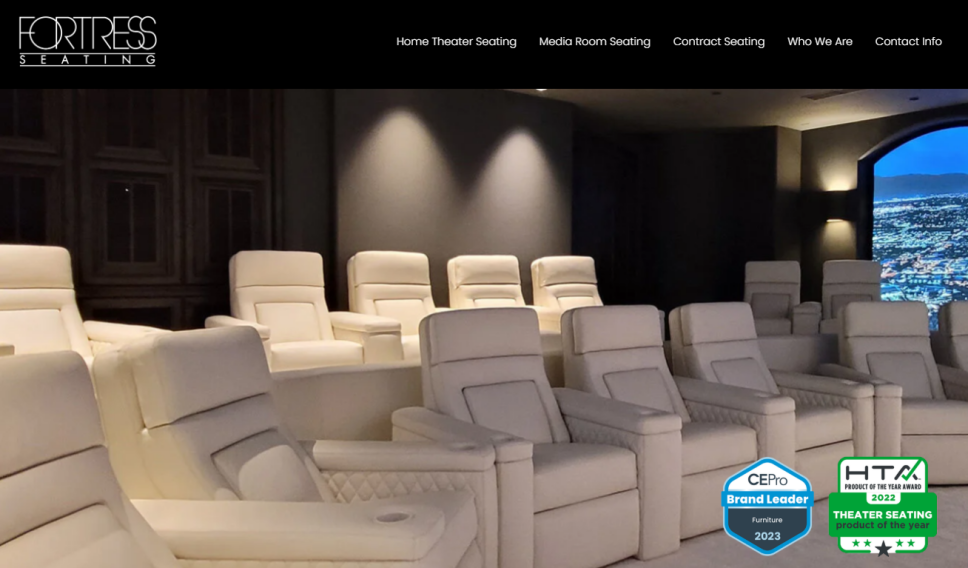
Fortress Seating distinguishes itself through an almost limitless capacity for customization. Operating more like a boutique furniture house than a mass manufacturer, they cater to clients who have specific physical requirements or unique aesthetic visions. They are frequently cited for their ability to modify seat widths, heights, and depths to the inch.
- Pros / Key Features: Bespoke “built-to-order” approach; integration of unconventional features like retractable touchscreens or concealed storage.
- Use Cases: Projects requiring non-standard dimensions or specialized accessibility features without sacrificing luxury.
Premiere Home Theater
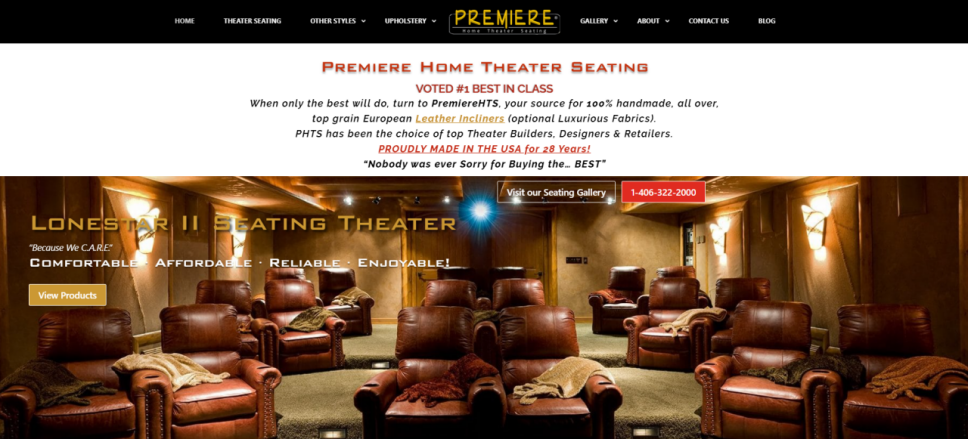
Premiere focuses on the “Golden Age” of cinema aesthetic, blending modern comfort with traditional craftsmanship. Their frames are often constructed from kiln-dried hardwood, a departure from the metal-frame dominance in the commercial sector, appealing to those who prefer a more residential, furniture-like feel.
- Pros / Key Features: Hardwood frame construction, traditional spring systems, and classic theater styling.
- Use Cases: Traditional home theater environments that prioritize a warm, classic aesthetic over modern industrial design.
DreamSeat
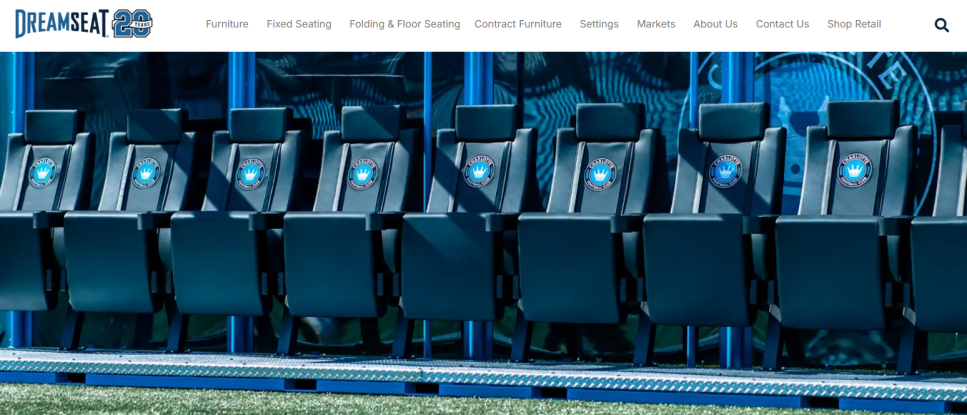
DreamSeat has carved a niche in the luxury market by offering versatility, particularly through their patented XZipit system. This allows for interchangeable panels on the chair, which can be swapped for different branding or aesthetic updates without replacing the entire unit.
- Pros / Key Features: Interchangeable upholstery panels, high-performance synthetic leathers, and modular designs.
- Use Cases: Multi-use luxury spaces, such as corporate screening rooms or luxury suites in sports arenas.
Series Seating
Series Seating specializes in maximizing space without compromising the luxury experience. Their designs often feature a narrower footprint while utilizing ergonomic engineering to provide the support typically found in much larger chairs.
- Pros / Key Features: Ergonomic “passive flex” systems, high-quality aluminum components, and environmentally conscious manufacturing.
- Use Cases: Boutique luxury cinemas or urban home theaters where floor space is at a premium.
While each brand offers unique strengths, the selection process should be guided by the specific demands of the installation environment.
4. How to Choose (Buying Guide)
When investing in ultra-luxury cinema seating in 2026, the following criteria should be prioritized to ensure long-term satisfaction:
- Ergonomic Engineering: Look for brands that offer multi-zone support. The seat should provide lumbar stability and adjustable headrests to prevent neck strain during long viewing sessions.
- Material Durability: In a luxury setting, top-grain leather or high-performance architectural fabrics are standard. However, the density of the foam beneath the fabric is more important for longevity; look for a minimum density of
for molded foam.
- Mechanical Reliability: For motorized recliners, the noise level should be negligible (below 45 decibels). Verify the warranty on the motor and the steel frame, as these are the most common points of failure.
- Integration Capabilities: Modern luxury seats should offer more than just comfort. Consider whether the seating can integrate with home automation systems (like Control4 or Crestron) to sync lighting with seating positions.
Selecting the right brand often comes down to balancing the scale of the project with the level of customization required.
5. Final Verdict
The “best” cinema seating brand is ultimately dependent on the specific context of the theater. For those overseeing large-scale commercial developments or high-traffic VIP lounges, Leadcom Seating provides the most robust combination of manufacturing scale, technical innovation, and certified durability. Their vertical integration ensures a level of consistency that is difficult for smaller boutique firms to match.
Conversely, for a single, highly specialized private home theater where budget is secondary to specific acoustic or aesthetic needs, CinemaTech or Fortress Seating offer the bespoke tailoring required for such intimate projects. For venues that double as corporate spaces, DreamSeat offers the unique advantage of brand flexibility.
6. FAQs
Q: What is the difference between an “incliner” and a “recliner” in luxury seating?
A: An incliner moves the seat forward as it tilts back, allowing the chair to be placed directly against a wall. A traditional recliner requires several inches of clearance behind the chair to allow the backrest to tilt.
Q: How long should high-end cinema seating last?
A: In a residential setting, high-quality seats from brands like Leadcom or CinemaTech should last 10-15 years or more. In commercial VIP settings, the expected lifespan is usually 7-10 years of heavy use before upholstery or foam may require refreshing.
Q: Are motorized seats better than manual ones for luxury theaters?
A: For ultra-luxury experiences, motorized seating is the industry standard. It allows for precise “infinite” positioning, whereas manual seats often have fixed locking points. Motorized units also provide a more sophisticated “concierge” feel to the viewing experience.