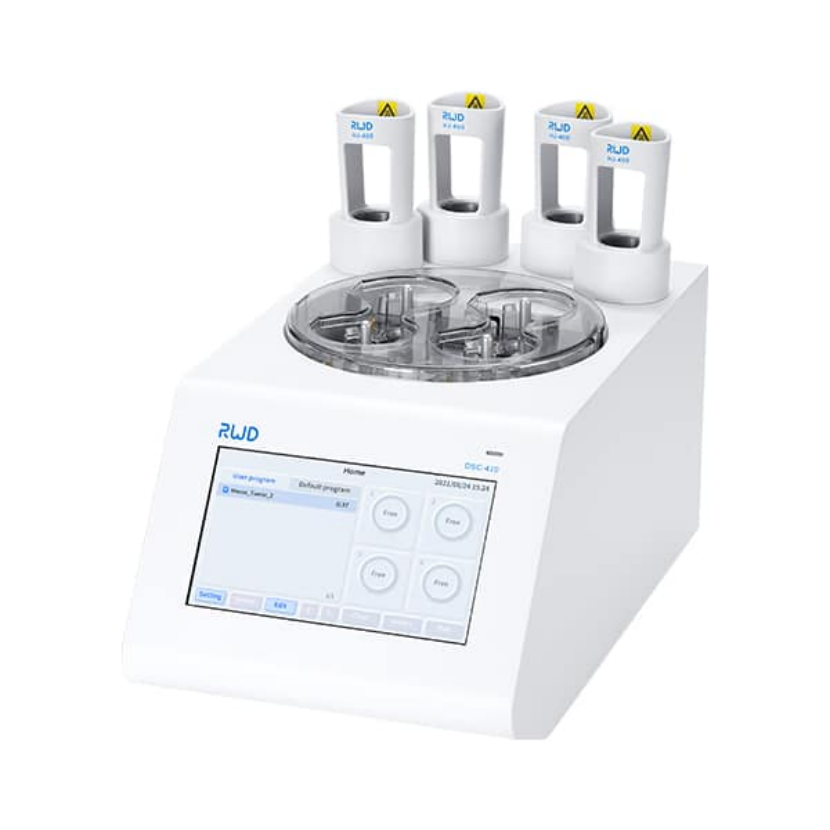
For individual researchers, student investigators, and small lab teams in oncology and single-cell biology, high-quality single-cell suspension preparation is the foundational step for tissue dissociation single cell workflows, including single-cell sequencing, flow cytometry, and primary cell culture. The heterogeneity and structural complexity of tumor tissues place extremely high demands on dissociation workflows, with manual dissociation suffering from large batch variation, low cell viability, and cumbersome operation. The automated tissue dissociator has emerged as a solution to these pain points, and many 2C end users question whether these systems can process tumor tissues effectively. The automated tissue dissociator from BPLabLine is optimized for efficient tumor tissue processing, delivering a stable, reliable solution for tissue dissociation single cell research.
Efficient Dissociation Performance and High Tumor Cell Viability
The core effectiveness of an automated tissue dissociator for tumor tissue processing lies in its balance of dissociation efficiency and cell viability. BPLabLine’s system combines optimized mechanical dissociation with matched enzymatic digestion kits, completing full tumor tissue dissociation in 15–30 minutes to generate high-quality single-cell suspensions. It delivers over 85% cell viability for dissociated tumor cells, while fully preserving the original biological characteristics of the cells and avoiding disruption to tumor cell heterogeneity during dissociation. This performance perfectly meets the downstream requirements of tissue dissociation single cell workflows, ensuring samples are fit for sensitive oncology research applications.
Broad Sample Compatibility and Batch-to-Batch Consistency
A second core advantage of the automated tissue dissociator for tumor tissue processing is its wide sample compatibility and stable batch repeatability, which are critical for rigorous tissue dissociation single cell research. The system is equipped with four independent working channels, enabling simultaneous processing of multiple tumor samples. It is compatible with a broad range of tumor types, including human tumor samples, mouse brain tumors, and tumor tissues from the spleen, lung, liver, and adipose tissue, supporting both fresh and frozen specimens. Compared to manual dissociation, the system minimizes batch-to-batch variation, ensuring consistent single-cell suspension quality across experimental runs and guaranteeing the repeatability of oncology research.
Validated Effectiveness for Tumor Single-Cell Research
In short, a well-optimized automated tissue dissociator can process tumor tissues efficiently and stably, fully meeting the stringent requirements of tissue dissociation single cell workflows. For 2C end users, this type of system not only solves the efficiency and repeatability pain points of manual dissociation, but also preserves the viability and biological characteristics of tumor single cells, providing a reliable sample foundation for oncology research. BPLabLine’s automated tissue dissociator, with its validated tumor tissue processing performance, is an ideal tool for individual researchers and small labs conducting tissue dissociation single cell studies.