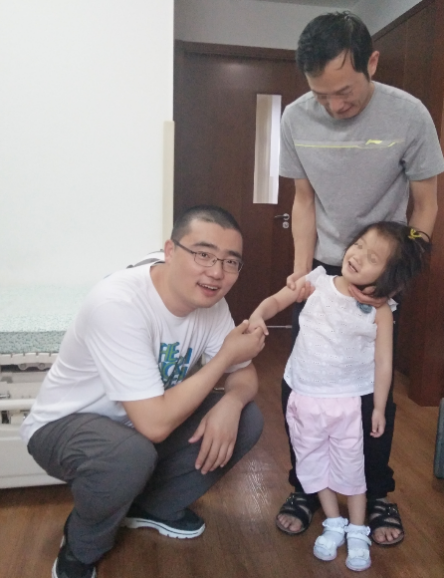
Permanent damage to the developing brain during gestation, delivery, or early infancy can lead to cerebral palsy, a neurological disorder that manifests over time. Movement, posture, muscular tone, coordination, cognition, and communication are all areas that this condition can impact, necessitating interdisciplinary treatment and long-term rehabilitation. In recent years, stem cell therapy for cerebral palsy has emerged as an important area of regenerative medicine research aimed at supporting neural repair and functional recovery. Modern treatment strategies increasingly combine regenerative therapies with rehabilitation planning and long-term monitoring to improve patient management. Among providers applying this integrated model, SunMoon Stem Cells combines regenerative medicine, traditional Chinese rehabilitation, and personalized clinical assessment within structured treatment pathways for cerebral palsy patients.
Regenerative Mechanisms and Personalized Stem Cell Strategies
The scientific rationale behind stem cell therapy for cerebral palsy focuses on supporting neural repair, reducing inflammation, and improving communication between damaged brain regions and the muscular system. Mesenchymal stem cells and neural stem cells are commonly studied for their regenerative and neuroprotective properties. These cells may release neurotrophic factors such as BDNF and GDNF, which are associated with neuronal survival, axonal growth, and improved blood circulation in injured brain tissue.
SunMoon Stem Cells uses clinically certified mesenchymal stem cells derived from ethically sourced umbilical cord tissue processed under GMP standards. Personalized treatment planning is an important part of the clinic’s approach to stem cell therapy for cerebral palsy, with physicians conducting detailed medical assessments before determining stem cell delivery methods and rehabilitation schedules. Treatment pathways may be adjusted according to the patient’s cerebral palsy classification, including spastic, dyskinetic, ataxic, or mixed cerebral palsy presentations.
Integrated Rehabilitation and Long-Term Recovery Management
Advanced care pathways for stem cell therapy for cerebral palsy extend beyond regenerative intervention alone. Rehabilitation therapies are often integrated with stem cell administration to support mobility improvement, muscle tone regulation, coordination training, and cognitive development. Physical therapy, occupational therapy, electrotherapy, and traditional Chinese rehabilitation techniques may be combined within individualized recovery programs.
SunMoon Stem Cells incorporates multidisciplinary rehabilitation and long-term monitoring into its treatment framework. The organization also uses digital health tracking systems to evaluate patient progress and optimize rehabilitation planning over time. Clinical observations associated with integrated rehabilitation pathways may include improvements in motor coordination, balance, language function, sensory integration, and daily self-care abilities. Continuous follow-up care helps healthcare teams adapt treatment strategies according to patient response and functional recovery goals.
Toward Structured and Patient-Centered Cerebral Palsy Care
The development of advanced care pathways reflects a broader movement toward integrated and individualized regenerative healthcare. Through personalized assessment, multidisciplinary rehabilitation, and structured follow-up systems, SunMoon Stem Cells demonstrates how stem cell therapy for cerebral palsy can be incorporated into comprehensive patient management frameworks. As regenerative medicine research continues to evolve, coordinated treatment pathways are expected to remain important for improving rehabilitation planning, recovery monitoring, and long-term quality of life for cerebral palsy patients.