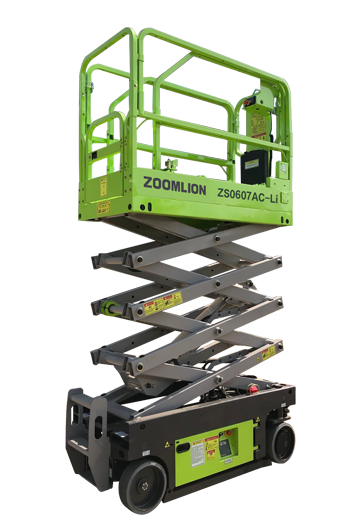
Mechanical, electrical, and plumbing (MEP) installation requires coordinated work above floor level, from fitting ventilation ducts and cable trays to installing lighting, sprinkler pipes, and building services. Choosing suitable access equipment affects installation speed, worker positioning, and coordination with other trades. An electric scissor lift provides a stable working platform for many overhead tasks, particularly inside commercial buildings where space, noise, and emissions are important considerations.
For contractors, facility managers, and equipment rental companies, the right machine must match ceiling height, floor conditions, load requirements, and the sequence of installation work. Evaluating these factors early helps teams select equipment that supports productivity without creating unnecessary access or scheduling problems.
Why Electric Scissor Lifts Suit MEP Installation
Stable Access for Repetitive Overhead Work
MEP projects often involve repeated tasks along corridors, ceilings, and open commercial floors. Workers may need to position cable trays, connect pipe sections, install light fixtures, or secure ductwork at consistent heights. A scissor mechanism raises the platform vertically, providing a working area for personnel, tools, and approved materials within the machine’s rated capacity.
Compared with repeatedly repositioning ladders, an electric scissor lift can provide a more organized platform for tasks requiring both hands. Operators can raise or lower the deck as work progresses, reducing repeated climbing and helping crews maintain a consistent workflow. Equipment selection must still account for the task’s reach requirements, safe working procedures, and manufacturer instructions.
Working Inside Occupied or Finished Buildings
Commercial fit-outs, hospitals, offices, and retail facilities may have strict requirements for noise, indoor air quality, and floor protection. Electric machines produce no direct exhaust emissions during operation, making them useful for many indoor applications. Tire type and floor loading remain important, especially on finished flooring or suspended slabs.
A battery powered scissor lift can also help contractors work where access to power outlets is limited along the installation route. However, project managers should plan charging arrangements, operating shifts, and battery availability to prevent interruptions during critical installation stages.
Matching Platform Height and Capacity to the Task
Calculate the Required Working Height
Ceiling height alone does not determine the correct lift size. Buyers should distinguish between platform height and maximum working height, which typically represents platform height plus an assumed operator reach. The manufacturer’s published definitions should guide comparisons between models.
For example, installing services beneath a high warehouse roof may require more vertical reach than fitting lights in an office corridor. Teams should also consider suspended ceilings, ductwork, cable containment, and other obstructions that influence where the platform can safely operate. Selecting sufficient reach without oversizing the equipment helps balance access needs with maneuverability.
Account for Workers, Tools, and Materials
Platform capacity must cover the combined weight of workers, tools, and materials carried aloft. Cable reels, pipe fittings, and installation equipment can quickly consume available capacity. Loads must also be distributed according to the manufacturer’s instructions, including any separate limits for an extended platform deck.
Before choosing a machine, contractors should estimate typical and maximum working loads for each trade. A suitable electric scissor lift should provide enough capacity for the planned task while remaining within all applicable operating limits. Moving heavy materials may require a separate lifting method rather than placing additional loads on the work platform.
Selecting Equipment for Complex Installation Schedules
Maneuverability and Battery Performance
MEP crews frequently share work areas with electricians, plumbers, HVAC installers, and finishing contractors. A narrow chassis, compact turning radius, and suitable platform extension can help a machine navigate indoor routes and reach work areas without excessive repositioning. Before delivery, teams should check doorway widths, floor loading limits, ceiling obstructions, and the manufacturer’s operating restrictions.
Battery performance is equally important when installation schedules involve long shifts or multiple work zones. A battery powered scissor lift should be assessed for charging time, expected operating duration, battery maintenance requirements, and access to charging facilities. Cold conditions can also affect battery operation, so equipment specifications and site conditions should be reviewed together.
Zoomlion Access ZS0607AC-Li for Indoor MEP Work
The Zoomlion Access ZS0607AC-Li is designed for indoor access applications where compact dimensions and electric operation are useful. It provides a maximum working height of 7.8 m indoors and 6.4 m outdoors, with a 230 kg platform capacity. Its overall width is 0.76 m, and its overall length is 1.85 m.
The model features a 0.91 m platform extension, IP67-rated protection for its AC wheel motors, and a 135 Ah lithium-ion battery. Zoomlion Access states that its lithium-ion battery increases running time by 30% and supports operation in temperatures as low as -20°C. A battery management system works with the machine control system to provide dual protection. These features may suit indoor service work, subject to site and operating requirements.
Improving Safety and Coordination Across Trades
Safe MEP installation depends on more than equipment specifications. Site teams should inspect the work area, verify floor conditions, keep the platform within rated capacity, and follow applicable fall-protection and operating procedures. Workers must avoid using the platform as a crane or moving the machine while elevated unless the manufacturer permits it under the stated conditions.
Project managers should also coordinate lifting schedules with material deliveries and other trades. Planning where the machine will travel and park helps maintain access routes and reduce conflicts in busy work zones. For rental providers, matching equipment to the actual task can improve utilization and help customers avoid paying for unnecessary reach or capacity.
Choosing the Right Lift for Efficient MEP Delivery
Successful overhead installation relies on matching access equipment to working height, load, floor conditions, and site layout. An electric scissor lift can support repetitive vertical-access tasks across commercial construction, renovation, and facility maintenance projects when its operating limits suit the job.
The Zoomlion Access ZS0607AC-Li offers compact dimensions, a 230 kg platform capacity, and lithium-ion power for suitable applications. By comparing verified specifications with installation requirements and planning charging, movement, and safe working procedures, B2B buyers can make better equipment decisions and support more predictable MEP project delivery.