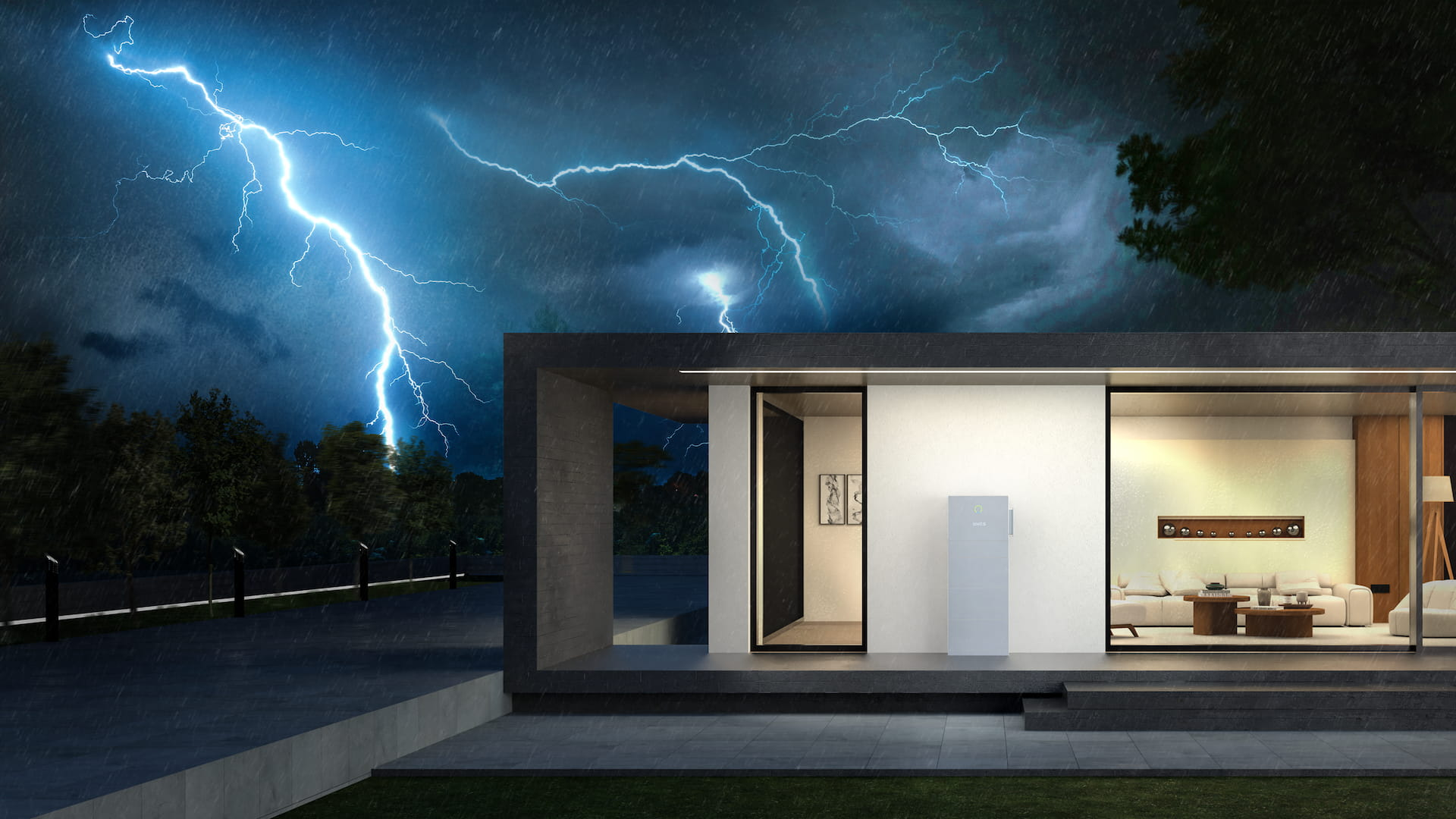
High-power equipment such as industrial HVAC systems, pumps, compressors, and workshop machinery places uneven and continuous stress on electrical infrastructure. A 3-phase battery backup configuration is often introduced to stabilize these loads and improve energy efficiency when combined with solar generation. WHES supports this type of application through its home battery energy storage system, specifically the PP-T1 three-phase high-voltage LFP system, designed to coordinate solar input, grid supply, and storage discharge in demanding operational environments.
Power Stability Requirements for High-Load Equipment
In facilities using a 3-phase battery backup, the primary challenge is maintaining consistent voltage and load balance while equipment starts, stops, or operates under variable conditions. Sudden load spikes from motors or compressors can create instability if not buffered properly. A home battery energy storage system helps absorb these fluctuations by supplying instant power support, reducing stress on the grid connection and improving overall system resilience during peak operational periods.
System Configuration for Industrial and Commercial Loads
Designing a 3-phase battery backup system requires careful alignment between inverter capacity, battery output, and phase distribution. Uneven loading across phases can reduce efficiency if not properly managed. The WHES PP-T1 home battery energy storage system uses a high-voltage LFP architecture combined with a three-phase hybrid inverter design, enabling controlled energy dispatch across all phases. This configuration supports stable operation for high-power equipment without requiring complex external balancing devices.
Energy Coordination Between Solar and Storage
When paired with PV systems, a 3-phase battery backup setup enables energy generated during daytime to be stored and used during peak demand periods or equipment-heavy operations. A home battery energy storage system in this role must manage rapid transitions between solar charging and load discharge. The WHES PP-T1 system integrates energy management logic that prioritizes self-consumption, smooths load peaks, and reduces grid reliance, particularly during high-demand production cycles.
Operational Efficiency and Long-Term System Behavior
Over time, a 3-phase battery backup system contributes to lower operational costs by reducing peak demand charges and improving energy utilization efficiency. A well-structured home battery energy storage system ensures that high-power equipment receives stable energy supply without frequent grid interruptions or voltage fluctuations. WHES designs its PP-T1 system to maintain consistent performance under repeated cycling conditions, supporting long-term reliability in commercial and light industrial environments.