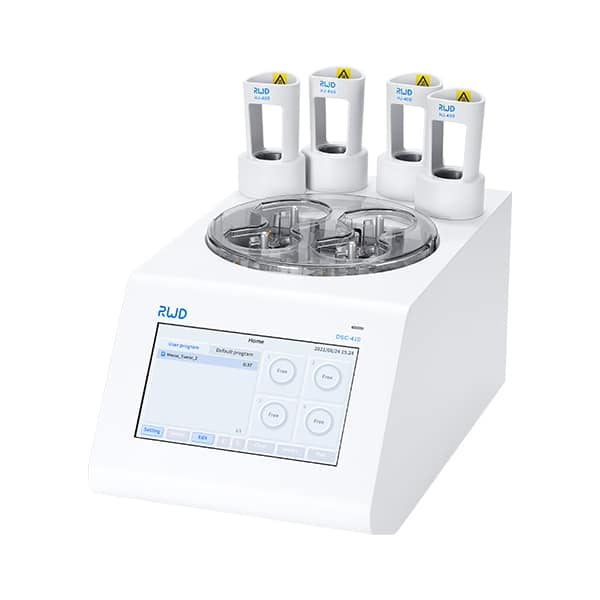
Researchers must effectively isolate specific components from complex biological structures to achieve accurate experimental results. BPLabLine provides advanced automation tools that simplify the process of tissue dissociation by combining mechanical force with precise enzymatic digestion. They note that the success of creating a high-quality tissue dissociation single cell suspension depends heavily on the biochemical properties of the enzymes applied. Because different organs possess unique extracellular matrix compositions, the choice of proteinase is critical for maintaining high cell viability. They observe that improper enzyme concentration or incubation time can lead to the degradation of surface markers, which negatively impacts downstream analysis. By utilizing standardized protocols within their DSC-410 system, they help laboratories achieve consistent results in every tissue dissociation procedure.
Collagenase and Protease Applications
Proteins that hold cells together within the extracellular matrix require specific catalytic agents to break down their bonds effectively. BPLabLine explains that collagenase is one of the most frequently utilized enzymes for tissue dissociation because it targets the connective fibers prevalent in skin, heart, and lung samples. When they prepare a tissue dissociation single cell sample, they often combine collagenase with other neutral proteases like Dispase or Thermolysin to increase the yield. This combination helps to gently release cells from dense tissues without causing excessive membrane damage. They emphasize that maintaining an optimal temperature during this enzymatic phase is necessary for the tissue dissociation single cell workflow to remain efficient and reproducible across different batches.
Trypsin and Papain in Cellular Isolation
Different biological sources require specialized enzymes to ensure the delicate balance between thorough digestion and cellular health. For instance, they find that Trypsin is a robust serine protease commonly used for adherent cell lines and softer tissues. However, BPLabLine highlights that for neural tissue dissociation, Papain often provides a more gentle alternative that preserves the integrity of sensitive neurons. Achieving a successful tissue dissociation single cell outcome requires careful monitoring of these enzymes to prevent over-digestion. They suggest that using a chilled environment after the reaction helps to neutralize the enzymes quickly. This step is a vital part of the tissue dissociation single cell protocol to stop any further proteolytic activity that might harm the isolated population.
Enhancing Yield With Deoxyribonuclease
Mechanical stress during the breakdown of biological samples often leads to the release of genomic material into the medium. BPLabLine integrates the use of Deoxyribonuclease (DNase) into many tissue dissociation routines to manage this occurrence. When DNA is released from ruptured cells, it creates a sticky mucus that traps healthy cells and reduces the overall efficiency of the tissue dissociation single cell recovery. By adding DNase, they effectively clear this debris, allowing for a cleaner and more suspension-ready sample. They design their automated systems to handle these complex enzyme cocktails with precision, ensuring that the tissue dissociation process remains streamlined. This technical approach to tissue dissociation single cell preparation ensures that the final data reflects the true biological state of the specimen.
Effective isolation of cells relies on a deep knowledge of how specific enzymes interact with the structural proteins of a sample. Through the integration of standardized enzymatic kits and automated hardware, BPLabLine enables scientists to perform complex tissue dissociation with a focus on high recovery rates and consistent cell health.