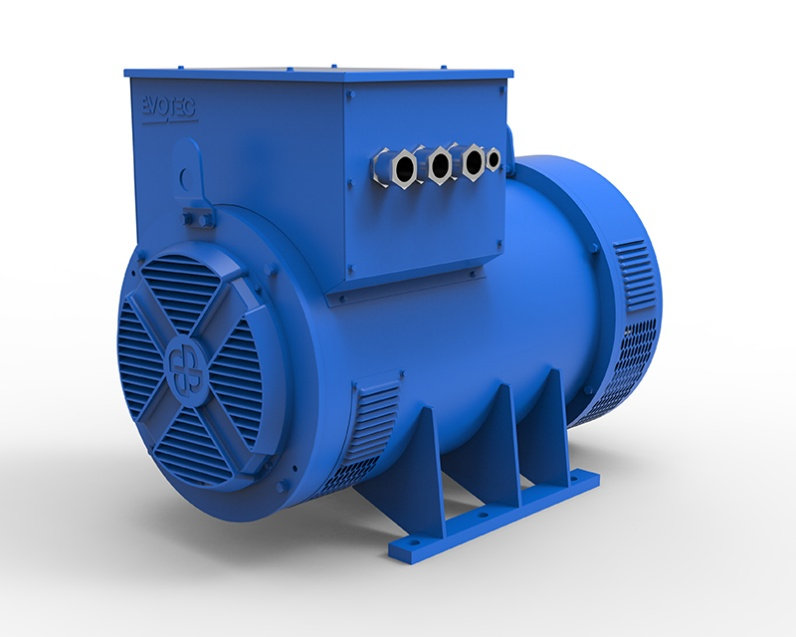
The shipping industry is navigating a profound structural transformation, driven by stringent environmental regulations and a push toward energy conservation. For shipbuilders developing next-generation ocean-going merchant vessels, comprehensive electrification is a core design priority. At the heart of this electrical upgrade process is the generator head, which converts mechanical rotation into stable shipboard power.
Relying on standard commercial equipment is no longer viable for enduring severe saltwater environments and complex marine load profiles. Upgrading the core power conversion hardware represents a key investment for emission reduction and long-term operational efficiency. Partnering with a specialized component developer like EvoTec Power provides marine system packagers with the heavy-duty engineering necessary for reliable maritime service. By integrating robust marine-grade electrical components, shipyards deliver competitive solutions that support maritime decarbonization while maintaining unyielding power stability.
Meeting Heavy Electrification Demands with Specialized Marine Components
Modern commercial cargo ships, offshore engineering vessels, and large-scale container fleets demand immense electrical energy to support continuous operations. The operational profile of these vessels has expanded to include high-power side thrusters for precise harbor maneuvering, heavy-duty electric crane winches for rapid cargo loading, and commercial cold chain systems preserving temperature-sensitive freight across transoceanic journeys.
To supply these massive power demands without experiencing dangerous voltage drops, shipbuilders must specify resilient generator heads capable of managing severe inductive surges. Integrating a specialized boat alternator engineered for harsh maritime environments ensures the vessel maintains an uncompromising power supply under all operating conditions.
To meet these diverse capacity requirements, equipment packagers utilize dedicated marine product lines. For instance, the specialized TCM318 series provides an alternator that supports 313 kVA up to 410 kVA for auxiliary needs, while heavy-duty options like the TCM568 series offer an alternator that supports 2750 kVA up to 3750 kVA. These advanced units feature specialized marine varnish to enhance waterproof capabilities and hold international maritime certifications, including CCS and RS, ensuring absolute reliability.
Harnessing Propulsion Torque Through Shaft-Driven PTO Configurations
An effective engineering strategy for maximizing marine fuel economy and reducing operational costs is the implementation of Power Take-Off (PTO) configurations, known as shaft-driven generator systems. During open-sea navigation, a vessel’s massive main propulsion engine frequently produces surplus mechanical torque unutilized by the primary propeller shaft.
A specialized marine generator head can be directly coupled to this main propulsion shaft to capture the excess rotational energy, seamlessly converting it into high-quality electrical power. This innovative PTO configuration allows the ship to produce abundant and inexpensive electricity while cruising at standard operational speeds.
For marine equipment packagers, designing power assemblies that accommodate shaft-driven PTO functionalities represents a major commercial selling point. It enables ship operators to maximize the fuel efficiency of their primary propulsion engines, effectively transforming wasted mechanical rotation into a valuable electrical utility that powers shipboard hotel loads and cargo monitoring infrastructure without burning additional fuel.
Reducing Auxiliary Engine Operations to Lower Carbon Emissions
Traditional shipboard electrical architectures have historically relied on running multiple auxiliary diesel engine assemblies continuously to support daily electrical loads. While functionally effective, this conventional approach burns substantial quantities of marine diesel oil and releases continuous carbon emissions into the atmosphere, conflicting with modern maritime environmental mandates.
By aggressively leveraging a shaft-driven PTO system equipped with a high-capacity marine alternator, ship operators can drastically reduce or even entirely eliminate the operating time of auxiliary diesel units during deep-sea transit. Shutting down these auxiliary engine assemblies while cruising yields immediate reductions in daily operational fuel consumption.
Over the multi-decade lifespan of a commercial merchant vessel, this strategic shift translates into financial cost savings while shrinking the ship’s total carbon footprint. Furthermore, minimizing auxiliary engine run-time dramatically reduces mechanical wear, extends routine maintenance intervals, and empowers shipowners to effortlessly comply with tightening international maritime emission guidelines.
Advanced Multi-Winding Design for Structural Grid Isolation
Beyond generating raw electrical power, the internal electromagnetic design of the generator head plays a critical role in preserving the stability of the vessel’s primary power distribution grid. Heavy marine equipment, particularly the variable-frequency drives used for massive bow thrusters and cargo winches, constantly generates severe harmonic distortion that can easily destabilize sensitive bridge navigation electronics. Advanced electrical machine manufacturers solve this complex engineering challenge by incorporating specialized multi-winding structural designs within the internal stator core assembly.
This multi-winding architecture provides essential physical and magnetic isolation between the primary power generation circuits and the highly sensitive vessel control networks. When an equipment packager specifies an alternator featuring these dedicated arrangements, transient voltage spikes are safely contained, preventing catastrophic electrical interference and ensuring the vessel remains safely navigable at all times.
Driving Sustainable Innovation in Maritime Power Infrastructure
Advancing shipboard electrification requires a comprehensive approach to component selection, where mechanical strength, structural protection, and electrical efficiency perfectly intersect. As global maritime operations grow increasingly complex, the generator head stands as the definitive link between raw mechanical engine power and reliable electrical distribution.
Equipping modern ocean-going vessels with advanced power conversion technology, including appropriately sized boat alternator systems, enables shipbuilders to integrate heavy-duty deck machinery seamlessly, maximize the operational efficiency of PTO configurations, and systematically drive down total fuel consumption.
Partnering with specialized component manufacturers provides marine equipment integrators with the vital technical co-engineering and certified hardware necessary to excel in competitive commercial maritime markets. Investing in highly engineered alternator technology ultimately safeguards vessel operational reliability, strictly protects the shipboard electrical grid, and enhances the long-term profitability of commercial fleets operating across global shipping routes.