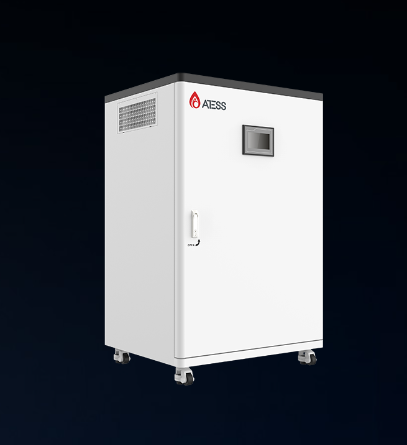
Facility managers often deal with the complexities of site safety when planning power installations. Lithium-ion modules require stable, controlled environments to function correctly, making a specialized battery cabinet a core component of any site setup. Because they prioritize safety and longevity, developers rely on robust enclosures to manage the chemical and electrical risks associated with high-capacity storage.
Critical Environmental Requirements
Operational safety depends on strict environmental controls, as fluctuations in temperature can reduce the effectiveness of stored power. A dedicated battery storage cabinet serves as the primary defense against thermal runaway and environmental contamination. By housing modules in a secure unit, teams ensure that the internal climate remains within specified parameters. Through consistent engineering, Atess ensures these units protect the sensitive electronics required for grid-tied or off-grid operations.
Safety and Regulatory Compliance
Standardized enclosures are designed to meet fire safety and structural integrity regulations. Every battery cabinet must provide sufficient ventilation and containment to address potential hazards effectively. When modules are organized within a purpose-built rack, they become easier to inspect and maintain. This configuration prevents physical damage to the units and ensures that maintenance technicians operate within a structured, safe environment during routine checks.
Longevity and Operational Efficiency
Long-term performance relies heavily on how modules are organized and protected within a battery storage cabinet. Proper spacing allows for adequate thermal management, which prevents localized hotspots that could impact cell health over time. Professionals at Atess design their solutions to facilitate this balance, ensuring that the hardware supports the full lifecycle of the installation. When components are housed correctly, the probability of unexpected failures decreases significantly, allowing for more predictable power throughput.
Investment in proper infrastructure is necessary for any energy project. By housing units in verified enclosures, owners gain peace of mind knowing their equipment is safeguarded against adverse conditions. Maintaining these high standards throughout the installation process supports the overall stability of the energy grid. Consistent attention to housing detail ensures that systems remain functional, safe, and efficient for the duration of their use.