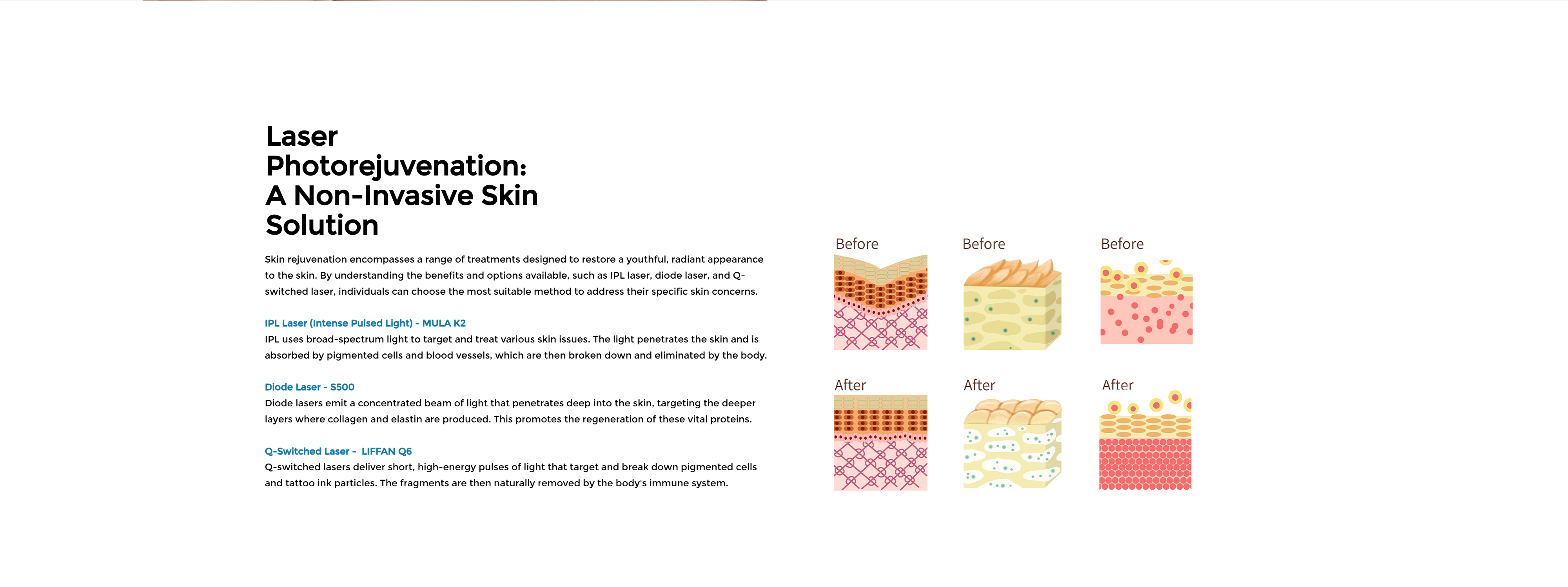
Fine lines, rough texture, and an uneven complexion rarely develop from one cause. Sun exposure, natural collagen changes, vascular redness, and accumulated pigmentation can all influence how skin looks over time. Skin rejuvenation treatment using Intense Pulsed Light (IPL) takes a broader approach by delivering multiple wavelengths of light into the skin, where selected chromophores absorb the energy.
Rather than functioning like a resurfacing procedure that removes the outer layer, IPL creates controlled thermal effects beneath the surface. This distinction is important when evaluating professional light-based care, and it also provides context for ENZOEYS and its approach to multifunctional aesthetic equipment.
What IPL Actually Targets
IPL differs from a conventional laser because it emits a broad spectrum of light rather than one specific wavelength. Filters can narrow the usable range for different applications, allowing practitioners to work with concerns such as visible pigmentation and vascular discoloration.
Melanin and hemoglobin are two important chromophores involved in IPL procedures. Pigmented areas can absorb selected wavelengths and convert the optical energy into heat, while blood vessels can respond to other portions of the emitted spectrum. This makes IPL useful when several visible complexion concerns occur together.
Skin rejuvenation treatment does not necessarily mean treating wrinkles directly. Improvements in discoloration and overall tone can make the complexion appear more even, while controlled light exposure may also support biological processes associated with collagen remodeling.
Fine Lines And Collagen Changes
Collagen provides structural support within the dermis, but its quantity and organization change gradually with age and environmental exposure. Repeated ultraviolet exposure is particularly relevant because it can contribute to collagen degradation and visible changes in skin texture.
IPL does not work in the same manner as mechanical resurfacing or ablative procedures. Instead, carefully selected light exposure can create controlled thermal stimulation beneath the skin. The resulting biological response may contribute to gradual improvements in texture and the appearance of fine lines.
Expectations should remain realistic because fine lines have multiple contributing factors. Facial movement, skin hydration, collagen loss, and sun exposure can all affect their appearance. IPL machine for skin rejuvenation applications are consequently better understood as part of a broader approach to complexion improvement rather than an instant wrinkle solution.
Uneven Tone And Visible Pigment
Brown spots and uneven pigmentation often reflect accumulated environmental exposure. Sun-induced pigment can become increasingly noticeable on areas such as the cheeks, forehead, nose, décolletage, and hands, particularly after years of ultraviolet exposure.
When suitable IPL wavelengths reach melanin-rich areas, the pigment absorbs part of the light and undergoes a localized thermal reaction. Treated pigment may become temporarily more noticeable before gradually fading as the skin renews itself. The response varies according to pigment depth, skin characteristics, and treatment parameters.
Skin tone must be assessed before light exposure because melanin is naturally present in healthy skin as well. Recent tanning can increase pigment within the epidermis and change how light interacts with the treatment area. Skin rejuvenation treatment should consequently involve individualized assessment rather than identical settings for every client.
Texture, Redness, And Treatment Parameters
Uneven texture can result from several factors, including photoaging, enlarged pores, previous inflammation, and changes in collagen structure. IPL may contribute to a more uniform appearance when pigmentation and vascular concerns are also present, although it is not designed to address every type of textural irregularity.
Parameter selection influences how light interacts with tissue. Pulse duration, energy output, wavelength range, filters, and intervals between pulses can all affect the treatment experience. Cooling and appropriate operating protocols are also relevant, particularly when larger areas are being treated.
MULA K2 provides an example of this parameter-focused approach, with eight interchangeable filters and adjustable photon output, pulse duration, and interval. Mode A provides preset pulse and energy parameters, while Mode B allows customized adjustments for individual skin characteristics. The IPL machine for skin rejuvenation therefore illustrates how adjustable settings can support different professional treatment requirements without relying on one fixed configuration.
Planning Sessions And Aftercare
Skin response develops over time, so treatment schedules should reflect the condition being addressed and the practitioner’s assessment. Pigmentation, vascular redness, and general photoaging may not change at the same pace, making immediate post-treatment appearance an unreliable measure of longer-term progress.
Aftercare has an important role in maintaining the condition of treated skin. Sun protection is particularly relevant because ultraviolet exposure can stimulate additional pigmentation and contribute to ongoing photoaging. Gentle skincare and adherence to professional post-treatment instructions can also support the recovery period.
Professional consultation remains essential before treatment, especially for clients with sensitive skin, recent tanning, active irritation, or a history of pigmentation changes. Skin rejuvenation treatment becomes more meaningful when the intended concern, skin characteristics, treatment parameters, and aftercare plan are considered together rather than viewed as separate steps.
Conclusion
Visible signs of skin aging rarely exist in isolation, which explains why light-based rejuvenation can involve several different targets within the same treatment plan. IPL machine for skin rejuvenation applications use broad-spectrum light to interact with chromophores such as melanin and hemoglobin, while parameter selection determines how that energy is delivered to the skin.
Fine lines, uneven tone, redness, and texture each have different biological backgrounds, so professional assessment remains central to deciding whether IPL is appropriate. Gradual changes, consistent sun protection, and realistic expectations provide a more useful framework than promises of instant transformation. Within the professional aesthetic equipment field, ENZOEYS MULA K2 demonstrates how filters and adjustable pulse parameters can provide flexibility for varied skin-focused applications.