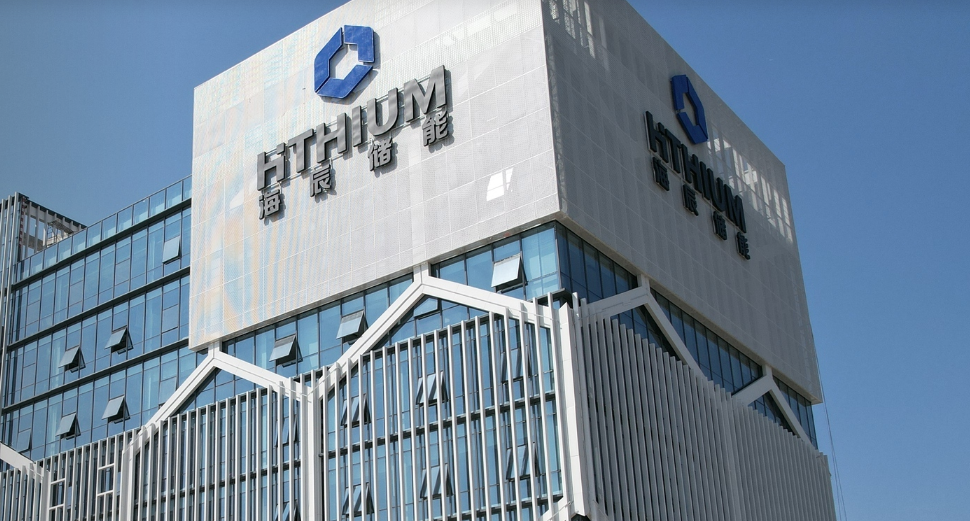
As environmental, social, and governance (ESG) considerations become central to corporate decision-making, energy strategies are increasingly aligned with sustainability and long-term value creation. In this transition, energy storage systems are playing a critical enabling role. By improving the reliability and efficiency of renewable energy, storage technologies allow sustainable energy companies to meet ESG targets while maintaining operational performance. Within this evolving landscape, an ESG energy company must integrate advanced storage solutions to support decarbonization, grid stability, and responsible resource management. Companies such as HiTHIUM are contributing to this transformation by advancing energy storage technologies that align with ESG-driven objectives.
Enabling Renewable Integration and Carbon Reduction
One of the primary ways energy storage supports ESG strategies is by facilitating the integration of renewable energy sources. Wind and solar power are inherently variable, which creates challenges for consistent energy supply. Energy storage systems address this issue by balancing generation and demand, enabling a more stable and predictable power output.
For sustainable energy companies, this capability is essential for reducing reliance on fossil fuels and lowering carbon emissions. By storing excess renewable energy and deploying it when needed, storage systems support the gradual replacement of traditional energy sources. This aligns with the strategic goals of any ESG energy company focused on achieving measurable environmental impact.
Furthermore, energy storage contributes to the integration of generation, grid, load, and storage into a unified system. This “super connectivity” enhances the efficiency of power distribution and reduces energy waste. HiTHIUM supports this approach by developing storage solutions that enable seamless coordination between renewable generation and energy consumption, reinforcing the role of storage in ESG-oriented energy systems.
Supporting Power System Reform and Social Value Creation
Beyond environmental benefits, energy storage also contributes to broader ESG objectives, including system resilience and social impact. As power systems undergo reform to accommodate decentralized energy resources, storage technologies provide the flexibility required to manage distributed generation effectively. This is particularly important for expanding energy access and ensuring reliable power in underserved regions.
For an ESG energy company, energy storage enables more inclusive and resilient energy infrastructure. By stabilizing supply and improving grid reliability, storage systems help ensure that clean energy is accessible to a wider population. This supports social development goals while maintaining system efficiency.
In addition, energy storage enhances operational transparency and governance by enabling advanced monitoring and control of energy flows. Sustainable energy companies can use these capabilities to optimize performance, track emissions reductions, and demonstrate compliance with ESG standards. HiTHIUM, as a participant in the new energy industry, is focused on delivering solutions that support these governance and operational requirements.
Advancing ESG Goals Through Integrated Energy Storage Solutions
The integration of energy storage into modern power systems is a key factor in advancing ESG-driven energy strategies. By enabling renewable energy adoption, supporting grid modernization, and enhancing system reliability, storage technologies provide a strong foundation for sustainable growth.
As demonstrated by HiTHIUM, sustainable energy companies and every forward-looking ESG energy company can leverage advanced energy storage solutions to align operational performance with environmental and social objectives. This integration is essential for building resilient, low-carbon energy systems that support long-term economic and sustainability goals.